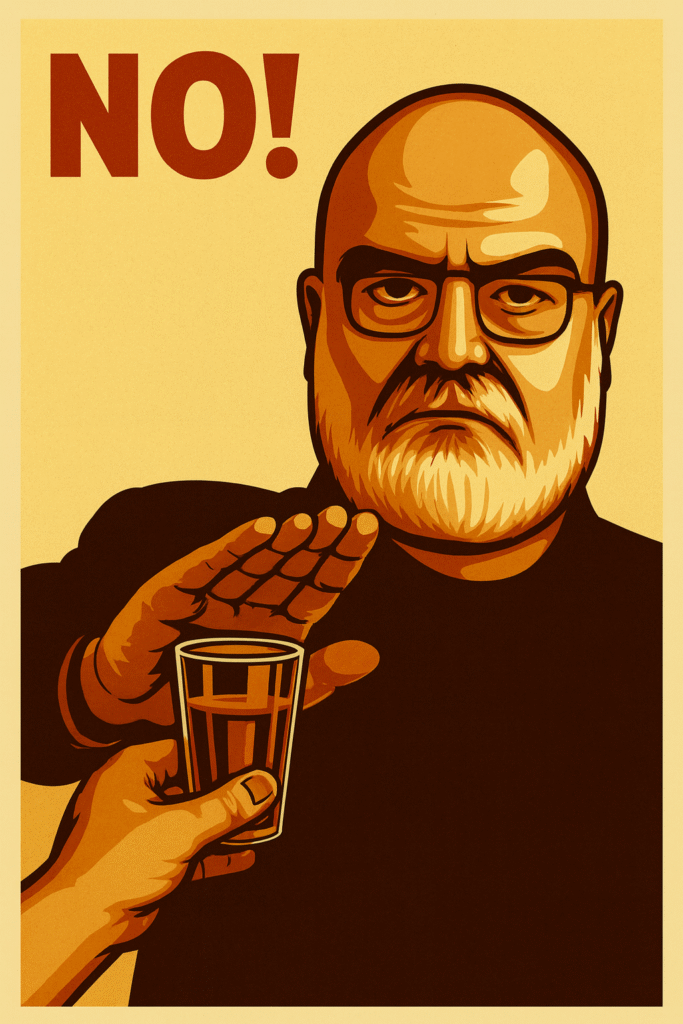
Humor as Survival
In the Soviet Union, humor was not just entertainment. It was a survival tool. People laughed not because life was easy, but because it was absurd, frightening, and often unbearable. A popular saying captures this spirit: “He who served in the army doesn’t laugh at the circus.” For millions, comedy was not a distraction — it was therapy.
Anecdote ≠ Joke
In English, an “anecdote” usually means a short story, not necessarily funny. In Russian, however, an anekdot is a miniature comedy: a short setup, a predictable development, and an unexpected punchline. It is closer to a parable with a twist than to a one‑liner.
Example (adapted):
Themes of Soviet Anecdotes
Leaders: Brezhnev, Khrushchev, Lenin — mocked for their quirks and speeches.
Bureaucracy: endless queues, shortages, absurd regulations.
Army: the harshness of military life turned into comic relief.
Medicine and daily life: doctors, hospitals, family routines.
Identity: who is “ours” and who is “foreign,” often revealed through language.
Social Function
Anecdotes were the “oral newspaper” of Soviet society. They spread faster than official news, carried hidden criticism, and allowed people to laugh at what could not be said openly. Even the KGB collected them, treating jokes as indicators of public mood.
Comparison with Western Humor
British humor: absurdity and wordplay (Monty Python).
American humor: predictable sitcom structures, laugh tracks.
Soviet humor: dark irony, unexpected endings, social critique.
Where Western comedy entertained, Soviet anecdotes helped people endure.
Homo Sovieticus and Humor
The term Homo Sovieticus describes the “Soviet man,” shaped by ideology and scarcity. Humor was his secret weapon. By laughing at leaders, bureaucracy, and daily absurdities, he preserved a sense of freedom.
This site, HomoSoveticus.me, will explore that world: translated anecdotes, explanations of why they were funny, and comparisons with Western traditions. Humor as survival, humor as resistance, humor as identity.